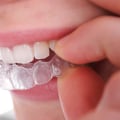
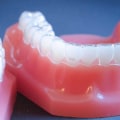
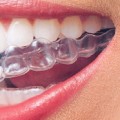
Many patients begin Invisalign treatment with an estimated timeline and a projected number of aligners designed to achieve their desired results. While modern digital treatment planning has significantly improved the predictability of orthodontic care, tooth movement remains a biological process that does not always follow a perfectly linear path. As a result, some Invisalign cases require one or more refinement stages before the final treatment goals can be achieved. Refinements are additional sets of aligners created after the initial series has been completed, allowing orthodontic professionals to make precise adjustments based on how the teeth actually responded during treatment. Rather than indicating failure, refinements are often a normal and valuable part of the process that helps ensure the best possible outcome.
Teeth Do Not Always Move Exactly as Planned
One of the primary reasons refinement stages become necessary is that individual teeth may respond differently to treatment than predicted by digital simulations. Invisalign treatment plans are based on advanced imaging and computer-generated models that estimate how teeth should move over time. However, biological factors such as bone density, root shape, age, and tissue response can influence the rate and extent of movement. Some teeth may move more slowly than expected, while others may not track precisely with the aligners. Even minor discrepancies can accumulate throughout treatment and create the need for additional adjustments. Refinement stages allow providers to account for these real-world variations and continue guiding the teeth toward their intended positions.
Patient Compliance Plays a Significant Role
Successful Invisalign treatment relies heavily on patient participation. Unlike fixed braces, clear aligners can be removed, which offers flexibility but also introduces the possibility of inconsistent wear. Most providers recommend wearing aligners for approximately 20 to 22 hours per day to achieve optimal results. If aligners are removed too frequently or not worn for the recommended duration, tooth movement may fall behind the planned schedule. Even small deviations from the prescribed wear routine can affect treatment progress and increase the likelihood of requiring refinements. Additional aligners provide an opportunity to correct these discrepancies and continue progressing toward the desired outcome.
Complex Cases Often Require Greater Precision
Certain orthodontic issues naturally involve a higher degree of complexity and therefore carry a greater likelihood of refinement stages. Cases involving significant crowding, spacing issues, bite corrections, rotations, or vertical tooth movements often require more detailed adjustments than straightforward alignment treatments. Orthodontists may intentionally plan for the possibility of refinements because achieving ideal results often requires fine-tuning after observing how the teeth respond to the initial aligner series. Similar to how advanced restorative procedures such as All on 4 in Sydney involve multiple stages to optimize long-term outcomes, Invisalign treatment sometimes requires additional refinement phases to ensure both functional and aesthetic goals are fully achieved.
Refinements Help Improve Long-Term Results
Refinement stages are not simply about achieving cosmetic perfection. They often play an important role in improving bite function, tooth stability, and overall treatment success. Proper alignment affects how teeth contact each other during chewing, speaking, and everyday function. Small adjustments made during refinement can help create a more balanced bite and reduce the risk of future orthodontic concerns. By addressing minor discrepancies before treatment is completed, providers can improve long-term stability and increase the likelihood that results will be maintained after retainers are introduced.
A Normal Part of Comprehensive Treatment
Patients sometimes become concerned when they learn that refinements are needed because they assume treatment should have been completed after the initial aligner series. In reality, refinement stages are often a routine component of comprehensive Invisalign care. They provide orthodontic professionals with an opportunity to respond to real-world tooth movement and make highly precise adjustments that may not have been possible during the original treatment plan. Rather than extending treatment unnecessarily, refinements help ensure that patients achieve the healthiest, most functional, and aesthetically pleasing outcome possible. In many cases, these additional stages are what transform a good result into an exceptional one.