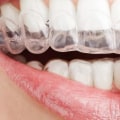
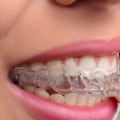
Many patients begin Invisalign treatment with the expectation that they will complete a predetermined number of aligners and achieve their desired results exactly according to the initial treatment plan. While Invisalign technology has advanced significantly and offers a highly predictable method of orthodontic treatment, the reality is that refinement stages are often a normal part of the process. Refinements involve the creation of additional aligners after the initial series has been completed to address minor discrepancies between the projected and actual tooth movements. Although some patients are surprised when refinements are recommended, they are far more common than many people realize and are often essential for achieving the most accurate and stable results possible.
Tooth Movement Is a Biological Process
One of the primary reasons refinements are frequently needed is that tooth movement is influenced by biological factors that cannot always be predicted with complete precision. Invisalign treatment plans are developed using advanced digital imaging and computer simulations that estimate how teeth should respond to a sequence of aligners. However, every person's body reacts differently to orthodontic forces. Factors such as bone density, root anatomy, age, tissue response, and overall oral health can affect how quickly or predictably teeth move. While digital planning provides an excellent roadmap, actual tooth movement may vary slightly from the projected outcome. Refinement stages allow dental professionals to make adjustments based on real-world results rather than relying solely on the original simulation.
Small Variations Can Have a Big Impact
Orthodontic treatment often involves extremely precise movements measured in fractions of a millimeter. Even small deviations from the planned movement can influence the final alignment of the teeth. A tooth that lags slightly behind schedule early in treatment may affect the positioning of neighboring teeth later in the process. Over time, these minor variations can accumulate and create the need for additional aligners to fine-tune the results. Refinements help correct these discrepancies and ensure that both cosmetic and functional treatment goals are fully achieved. Rather than indicating a problem, refinements often demonstrate a commitment to precision and attention to detail.
Patient Compliance Influences Treatment Progress
Unlike traditional braces, Invisalign aligners can be removed, making patient compliance an important factor in treatment success. Most providers recommend wearing aligners for approximately 20 to 22 hours each day. If aligners are removed too frequently or not worn consistently, tooth movement may not progress according to plan. Even patients who generally follow instructions can occasionally encounter situations that affect wear time. Refinement stages provide an opportunity to address any movement that did not occur as expected and help bring treatment back on track. This flexibility is one reason why Invisalign remains an effective option for many patients despite the possibility of refinements.
Complex Cases Often Require Additional Fine-Tuning
Certain orthodontic cases naturally involve greater complexity and therefore have a higher likelihood of requiring refinements. Significant crowding, spacing issues, bite corrections, rotations, and vertical tooth movements can be challenging to achieve with complete precision during the initial aligner series. Dental professionals often anticipate that some degree of refinement may be necessary when managing more complex treatment objectives. Similar to how restorative procedures such as dental implants in Brisbane CBD require careful planning and follow-up evaluations to optimize outcomes, Invisalign treatment may involve multiple stages to ensure the best possible final result.
Refinements Contribute to Long-Term Stability
Beyond improving appearance, refinement stages often help enhance bite function and long-term treatment stability. Proper alignment affects how teeth contact each other during chewing and everyday function. Small adjustments made during refinement can improve balance within the bite and reduce the risk of future orthodontic concerns. These final corrections may seem minor, but they can play a significant role in preserving treatment outcomes for years to come.
A Normal and Valuable Part of Treatment
Patients often view refinements as an unexpected extension of treatment, but in reality, they are a common and valuable aspect of Invisalign care. Because tooth movement is influenced by numerous biological and behavioral factors, additional aligners are frequently needed to achieve optimal results. Refinement stages allow dental professionals to respond to real-world treatment progress and make precise adjustments that support both aesthetics and function. Rather than being a setback, refinements are often the final step that transforms good results into exceptional ones, helping patients achieve the healthy and confident smile they envisioned at the start of treatment.